The Risk of Suicide and Suicidality After a TBI: What Parents and Caregivers Need to Know
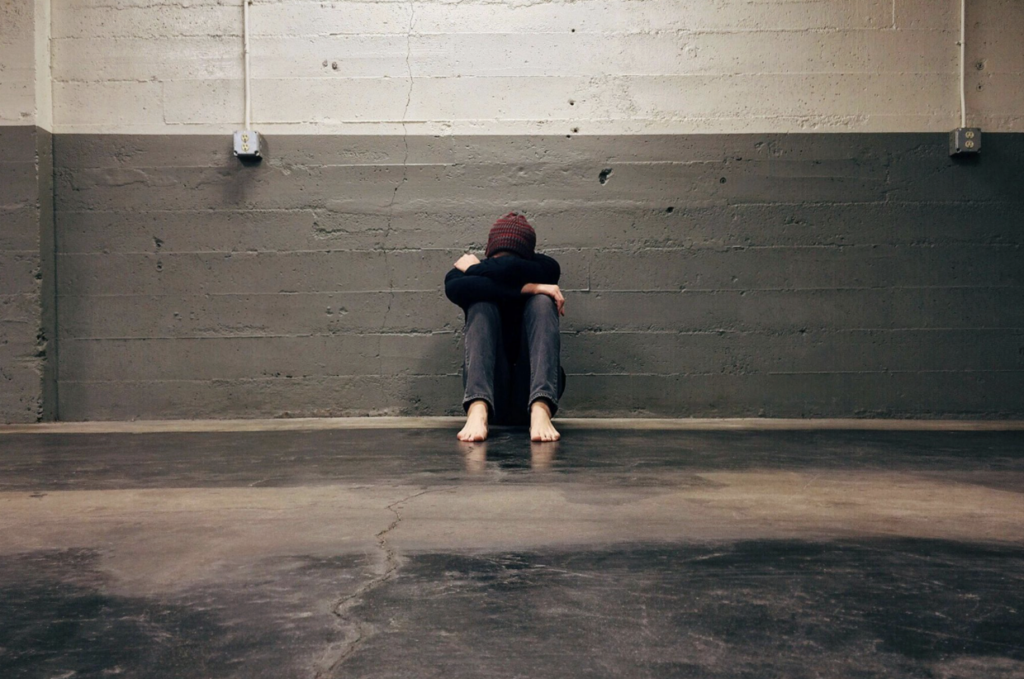
Traumatic brain injury (TBI) affects millions of children and adolescents each year, with consequences that extend far beyond the initial physical trauma. While families often focus on visible injuries and cognitive recovery, one of the most serious yet overlooked complications is the increased risk of suicidal thoughts and behaviors following a TBI. Understanding this connection is crucial for parents, educators, and healthcare providers who support young people through their recovery journey.
Understanding Psychosomatic Symptoms: When the Mind and Body Connect in Children

As parents, we naturally worry when our children complain of physical symptoms like headaches, stomachaches, or fatigue. While these concerns often have clear medical causes, sometimes extensive testing reveals no underlying physical condition. This doesn’t mean your child is “faking it” or that the pain isn’t real; it may indicate psychosomatic symptoms, an often misunderstood connection between mental and physical health.
Preparing Your Child For a Neurobehavioral Evaluation

As a parent, receiving a recommendation for your child to undergo a neurobehavioral evaluation can bring up a whirlwind of emotions, from relief at finally getting answers to anxiety about the unknown. Whether you’re exploring potential diagnoses like ADHD, autism spectrum disorder, anxiety, or other neurodevelopmental conditions, proper preparation can make all the difference in ensuring an accurate assessment and a positive experience for your child.